
Young adult crime fiction delivered some of its sharpest, most provocative titles in 2020, and six years later, those novels remain essential reading for anyone who wants to see what the genre can do when it refuses to talk down to its audience. This curated list highlights seven standout YA crime novels from that year, selected for their sophisticated plotting, authentic character voices, and willingness to tackle the messier corners of justice and morality that traditional YA sometimes sidesteps.
These aren’t sanitized mysteries with tidy endings. The 2020 crop brought us teen detectives grappling with police corruption, systemic racism, and the kind of moral ambiguity that sticks with you long after the final page. What makes these particular titles worth your time now is how well they’ve aged. The themes they explored, from surveillance culture to the school-to-prison pipeline, have only grown more relevant.
Selection criteria focused on three core elements: narrative complexity that respects reader intelligence, protagonists who feel like actual teenagers rather than adult wish-fulfillment fantasies, and crime plots that could hold their own in the adult market. Several of these authors cut their teeth writing traditional crime fiction before turning to YA, bringing that hard-won craft with them. The result is a collection that proves young adult doesn’t mean young quality. Whether you’re a longtime crime reader curious about what YA has to offer or a devoted fan of the category looking to fill gaps in your shelf, these seven novels represent the genre firing on all cylinders.
Why These Seven Made the Cut
Picking seven standout titles from a stellar year meant establishing clear benchmarks. These aren’t just books that happened to release in 2020, they’re novels that pushed YA crime fiction forward while delivering the tension and twists the genre demands.
Our selection criteria included:
- Genre diversity: thriller, mystery, noir, and true crime-inspired narratives rather than seven variations of the same formula
- Authentic teen voices that capture real adolescent concerns without talking down to readers
- Sophisticated plotting that respects young adult intelligence while remaining accessible
- Meaningful representation across race, culture, and socioeconomic backgrounds
- Lasting impact on conversations about what YA crime can accomplish
What sets these books apart is how they thread a difficult needle. Each delivers genuine crime storytelling, real stakes, clever plotting, satisfying resolution, without sacrificing the emotional honesty that makes YA literature powerful. They tackle serious themes like systemic injustice, family trauma, and privilege without becoming after-school specials. The mysteries matter, the crimes have consequences, and the teen protagonists drive the investigation rather than serving as passive observers in adult dramas.
This balance is crucial. Condescending YA crime treats young readers as if they need simplified mysteries with training wheels. These seven assume their audience is smart, engaged, and ready for complex narratives that happen to center teenage experiences. That’s why they still resonate in 2026.
1. The Cousins by Karen M. McManus, Family Secrets Meet Classic Mystery

Karen M. McManus earned her reputation with One of Us Is Lying, but The Cousins proves she’s no one-trick author. This 2020 release drops four estranged cousins onto their wealthy grandmother’s island resort after years of forced family separation, and the mystery unfolds through both present-day investigation and flashback revelations that explain why their parents were suddenly disowned decades ago.
What makes this work as accessible YA whodunit is McManus’s layering. The surface plot hooks you immediately: Why did Grandmother Mildred cut off her children? Why summon their kids now? But beneath that runs genuine family dysfunction, secrets that span generations, and the kind of morally complicated adults rarely seen in teen fiction. The cousins themselves feel authentically seventeen and eighteen, wrestling with divided loyalties between parents who won’t explain anything and a grandmother who might be manipulating them.
The alternating timelines between 1996 (when everything went wrong) and 2020 create natural suspense without gimmicky cliffhangers. McManus trusts readers to piece together clues from both eras, rewarding attention without making the puzzle impossibly obscure. The island resort setting adds Gothic atmosphere without veering into overwrought territory.
This exemplifies why McManus became synonymous with YA mystery: she writes clean, propulsive prose that doesn’t talk down to teens, populates stories with diverse characters whose identities matter without defining them, and constructs fair-play mysteries where the solution feels earned. The Cousins proves family secrets can be just as gripping as body counts.
2. The Ivies by Alexa Donne, Dark Academia Done Right
Alexa Donne’s The Ivies plunges readers into the cutthroat world of Claflin Academy, where five ambitious students in the exclusive Ivies society will do anything to secure their Ivy League futures. When accusations of cheating threaten their carefully constructed paths, one of them ends up dead, and the remaining four become both suspects and unreliable guides through this morally murky landscape.
What sets The Ivies apart is Donne’s refusal to soften the sharp edges. These aren’t misunderstood teens forced into bad decisions; they’re calculating, privileged students who’ve internalized competition as survival. The noir atmosphere, all shadowy library meetings and whispered threats, feels earned rather than affected, rooted in the genuine pressure cooker of elite academic culture. Donne understands that darkness doesn’t need supernatural elements when you have institutional pressure and entitlement as fuel.
The unreliable narrator device works here because Donne layers it with class commentary. Our protagonist isn’t just hiding secrets about the murder; she’s navigating the specific toxicity of being middle-class among the ultra-wealthy, where survival means matching their ruthlessness. The mystery itself delivers genuine twists, but the real punch comes from watching how easily ambition curdles into something dangerous when institutions reward winning above everything else.
The Ivies proves dark academia works in YA when it commits to uncomfortable truths about privilege and competition. It’s Nancy Drew if she’d attended a school where everyone had something to hide and the moral high ground was just another strategic position.
3. A Good Girl’s Guide to Murder by Holly Jackson, The Teen Detective Renaissance

Holly Jackson’s debut hit the YA scene like a genre grenade, proving teen sleuths could tackle genuinely sophisticated crime narratives without dumbing down the mystery or the stakes. The premise hooks immediately: Pip Fitz-Amobi chooses to investigate a supposedly solved local murder case for her senior project, convinced the wrong person went down for the crime. What starts as academic curiosity becomes dangerous obsession as Pip uncovers evidence that a popular girl’s killer might still be walking free in her small English town.
The podcast format gives Jackson a brilliant structural device. Pip documents her investigation through interviews, transcripts, and production logs that pull readers directly into her process. It feels authentic to how actual teens consume true crime, through Serial, My Favorite Murder, and their obsessive podcast binges, while avoiding the gimmick trap. The format creates natural pacing breaks and lets Jackson layer in red herrings through witness contradictions without the clunky exposition that sinks lesser mysteries.
Jackson never condescends to her audience. The plotting matches adult crime fiction in complexity, with genuine surprises that play fair with clues while still landing hard. But she also doesn’t shy from examining the ethics of Pip’s investigation, the harm of digging into trauma, the assumptions we make about victims and perpetrators, the danger of playing detective without training or authority. Pip makes mistakes. People get hurt. The resolution delivers both satisfying puzzle-solving and uncomfortable questions about justice.
The book sparked a full-blown renaissance in YA detective fiction precisely because it trusted teen readers to handle moral ambiguity alongside the mystery.
4. Clap When You Land by Elizabeth Acevedo, Crime as Emotional Reckoning
Elizabeth Acevedo’s Clap When You Land redefines what counts as crime fiction by treating secrets and betrayal as the central violation. When a plane crashes, two teenage girls, Camino in the Dominican Republic and Yahaira in New York City, discover they’re half-sisters, unknowing victims of their father’s decades-long double life. There’s no murder to solve, no detective chasing leads. Instead, Acevedo constructs a different kind of mystery: how do you piece together the truth when the person who lied is gone?
The verse format amplifies the emotional investigation. Camino and Yahaira’s alternating voices create a dual perspective that mirrors police procedurals, each girl uncovering fragments the other doesn’t have. Short, sharp lines hit like revelations. The rhythm builds tension as effectively as any thriller’s pacing, and the cultural specificity, Dominican funeral traditions, immigration anxiety, code-switching, grounds the story in lived experience rather than generic teen angst.
What makes this crime-adjacent is Acevedo’s treatment of deception as theft. Their father didn’t just maintain separate families; he stole years of truth from everyone involved. The girls must reckon with complicity (their mothers knew or suspected) and decide whether forgiveness is possible. It’s a moral investigation that respects readers’ intelligence.
For fans who think YA crime needs bodies or courtrooms, Clap When You Land proves otherwise. The genre’s best work interrogates harm in all its forms, and few 2020 releases did that with more devastating precision.
5. The Legacies by Jessica Goodman, Privilege, Power, and Murder

Jessica Goodman’s The Legacies drops readers into the suffocating world of Excelsior Prep, where Manhattan’s elite send their children and where a student’s fatal plunge from a rooftop during a secret society party shatters the veneer of privilege. What makes this thriller particularly sharp for mature YA audiences is how Goodman treats wealth not as glamorous backdrop but as corrupting force, showing how money insulates the guilty and silences the vulnerable.
The novel alternates between three narrators, Bernie, Skyler, and Isobel, each tangled in Excelsior’s social hierarchies differently. Bernie’s the scholarship student acutely aware of her outsider status. Skyler belongs to old money but questions the system that protects people like her family. Isobel navigates as a legacy student whose mother’s scandal still echoes through marble hallways. These shifting perspectives create a kaleidoscope effect where each narrator reveals pieces the others can’t see, and Goodman skillfully exploits the gaps between what they know and what they’re willing to admit.
The mystery itself plays fair while maintaining genuine suspense. Clues accumulate through social media posts, overheard conversations, and the unspoken rules governing who matters at Excelsior. What elevates The Legacies beyond standard prep school thriller territory is Goodman’s willingness to indict the institutions that enable harm. The adults here fail spectacularly, prioritizing reputation over truth, and that moral clarity, paired with propulsive pacing, makes this essential reading for anyone interested in crime fiction that understands how power shapes justice.
6. The Inheritance Games by Jennifer Lynn Barnes, Puzzle-Box Plotting
Jennifer Lynn Barnes crafted something special here: a mystery that treats its teenage protagonist, and readers, as genuinely intelligent puzzle-solvers rather than passive observers. When average teen Avery Grambs inherits billionaire Tobias Hawthorne’s entire fortune over his own family, she’s thrust into a mansion full of riddles, secret passages, and four dangerously attractive grandsons who all want answers she doesn’t have.
What makes this work is Barnes’s commitment to fair-play mystery conventions. Every clue Avery discovers, readers see too. The puzzles range from wordplay to chess strategy to architectural secrets, creating that satisfying Knives Out vibe where multiple characters could have motives and everyone’s hiding something. The Hawthorne grandsons, each brilliant in different ways, function as both potential allies and suspects, their shifting loyalties keeping tension high even during quieter investigative scenes.
Barnes balances the cerebral puzzle-solving with genuine stakes. Avery isn’t just solving riddles for fun; she’s navigating actual danger, family resentment, and the isolating reality of sudden wealth. The mystery structure allows for genuine character development rather than serving as mere background for romance, though the slow-burn tension with the Hawthorne brothers adds welcome complexity.
For readers who love mysteries they can solve alongside the protagonist, who appreciate intricate plotting over shock twists, this delivers. It proved YA crime could embrace classic whodunit traditions, hidden wills, eccentric millionaires, labyrinthine estates, while feeling completely contemporary. The subsequent sequels only deepened the puzzle-box appeal, but this first entry established the template perfectly.
7. This Poison Heart by Kalynn Bayron, Crime Meets Magic Realism
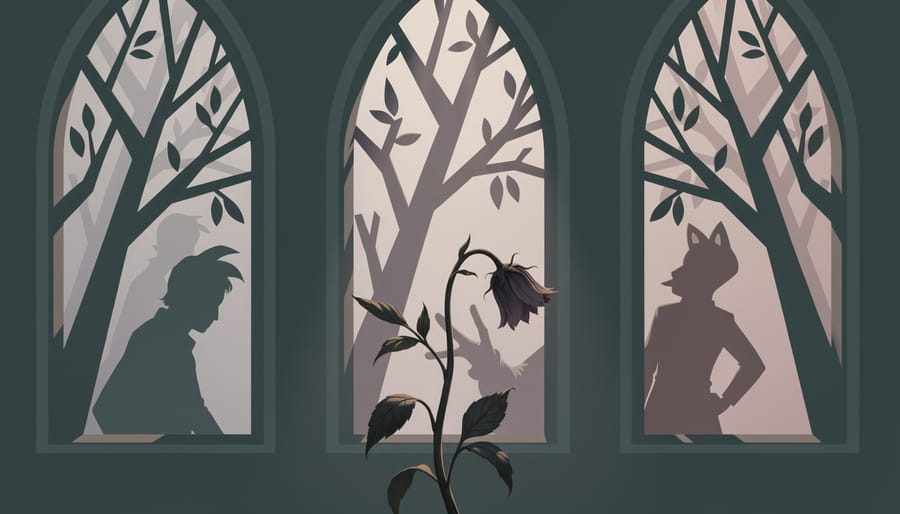
Kalynn Bayron’s This Poison Heart might seem like an outlier on a crime fiction list, protagonist Briseis has the supernatural ability to grow any plant with a touch, deadly nightshade included, but this Gothic-inflected novel treats family secrets and generational deception with all the gravity of traditional mystery. When Bri inherits a rambling estate in upstate New York from an aunt she never knew existed, the puzzle isn’t just magical; it’s criminal in scope and consequence.
The fantasy elements serve the crime narrative rather than diluting it. Bri’s investigation into her family’s guarded past unfolds like classic noir: unreliable relatives, dangerous strangers seeking forbidden knowledge, and a poisonous legacy (quite literally) that someone will kill to control. Bayron weaves botanical lore and Greek mythology into a structure that mystery readers will recognize, clues accumulate, motives sharpen, and the threat escalates as Bri gets closer to truths her family desperately hid.
What makes this inclusion essential is how Bayron expands the crime genre’s boundaries. A Black queer protagonist navigating inherited danger brings fresh perspective to Gothic thriller conventions typically centered on white families in decaying mansions. The magic realism doesn’t soften the stakes; it heightens them, turning heirloom secrets into literal poison.
For readers who’ve exhausted straightforward whodunits, This Poison Heart demonstrates that YA crime can absorb speculative elements without losing its investigative spine. The family mystery at its core, who was Bri’s aunt, what did she protect, and from whom, drives every supernatural revelation. Genre-blending done this skillfully doesn’t fragment the experience. It deepens it.
What to Watch For
When choosing your next YA crime read, pay attention to the narrative device each author uses, whether it’s podcast transcripts, verse, dual timelines, or puzzle clues, because the format shapes how the mystery unfolds and how engaged you’ll feel. These seven books prove that YA crime works best when the investigation method matches the protagonist’s world and voice.
Also watch for how each author handles the teen perspective authentically. The strongest YA crime doesn’t just drop teenagers into adult crime scenarios, it explores mysteries that genuinely matter to young people, from family secrets to social hierarchies to questions of justice that resonate with adolescent experience. Barnes and Goodman excel at making high-stakes plots feel emotionally true to teen concerns, while Donne and Jackson demonstrate how serious crime storytelling doesn’t require aging up the voice or dumbing down the complexity. The representation matters too: Acevado’s Dominican-American twins, Bayron’s Black protagonist with powers, and the diverse casts across these books reflect the genre’s evolution toward authenticity beyond token inclusion.
Frequently Asked Questions
Are these YA crime novels appropriate for adults too?
Absolutely. Quality YA crime fiction offers sophisticated plotting and complex themes that appeal to readers of any age. Many adult crime fans appreciate the fresh perspectives and tighter pacing that characterize the best YA mysteries.
Do I need to read these books in order?
No, each title stands completely alone. They’re from different authors and series, so start with whichever premise grabs you most.
Where can I find more YA crime recommendations beyond 2020?
Check our broader crime fiction coverage for current releases, or explore backlist titles from these same authors. McManus, Jackson, and Barnes have all continued building their catalogues with equally compelling mysteries.
What makes YA crime different from adult crime fiction?
YA crime typically features teen protagonists navigating age-appropriate stakes while still delivering genuine suspense. The best examples avoid talking down to readers while maintaining accessibility, often blending coming-of-age elements with classic mystery structures.
These seven books share an important quality that extends beyond their 2020 publication date: they demonstrate how YA crime has matured into a space where young protagonists tackle real moral complexity without sacrificing entertainment value. Whether you’re discovering the genre for the first time or you’ve been reading YA mysteries since the Nancy Drew days, these titles prove that great crime storytelling transcends demographic labels.
What These Books Tell Us About YA Crime Today
These seven novels from 2020 crystallized a shift that’s only accelerated since: YA crime fiction no longer apologizes for existing. The genre-blending we see in This Poison Heart and Clap When You Land reflects a generation of readers who refuse to stay in neat categorical boxes, while the sharp social commentary in The Ivies and The Legacies proves teens can handle, and expect, sophisticated explorations of privilege, power, and systemic injustice wrapped in page-turning plots.
What stands out most is the authenticity of voice. Whether it’s McManus’s ensemble dynamics or Jackson’s methodical investigation structure, these authors write teens who think like teens without dumbing down the mystery mechanics. They’ve proven that atmospheric noir, puzzle-box plotting, and emotional depth aren’t adult-only territory. If you loved these, don’t stop at the YA section, writers like Tana French and Ruth Ware owe as much to these books as these books owe to classic crime traditions. The best mysteries have always understood that age is just a detail; motivation, consequence, and the human capacity for both deception and truth matter far more.