

The best biography audiobooks for true crime and mystery bring notorious criminals, legendary detectives, and the real-life victims who shaped the genre directly into your ears. Think Erik Larson’s masterful narrations of historical murder cases, Ann Rule’s chilling accounts of serial killers she knew personally, or biographies of legendary investigators like Allan Pinkerton that read like intriguing crime novels but deliver the unsettling truth that these events actually happened.
Unlike fictional mysteries that tie up loose ends, biography audiobooks in this genre offer something raw and unpredictable. You’re listening to cases that stumped real detectives, criminals whose psychology still confounds experts, and victims whose stories deserve to be heard beyond sensational headlines. The audio format adds another layer of immersion. A skilled narrator can transform a biography of someone like H.H. Holmes or Aileen Wuornos from dry court transcripts into gripping storytelling that makes your commute feel dangerously short.
Canadian listeners have particularly strong options in 2026, with platforms like Audible, Kobo, and Apple Books offering extensive catalogues of true crime biographies. Whether you’re drawn to the minds of serial killers, the persistence of cold-case investigators, or the lives of crime writers who turned their own traumatic experiences into groundbreaking work, there’s a biography waiting to haunt you long after the final chapter. The challenge is knowing which titles deliver genuine insight versus recycled tabloid fodder, and understanding how to navigate the growing catalogue of options.
Notorious Criminals: Biographies That Read Like Psychological Thrillers
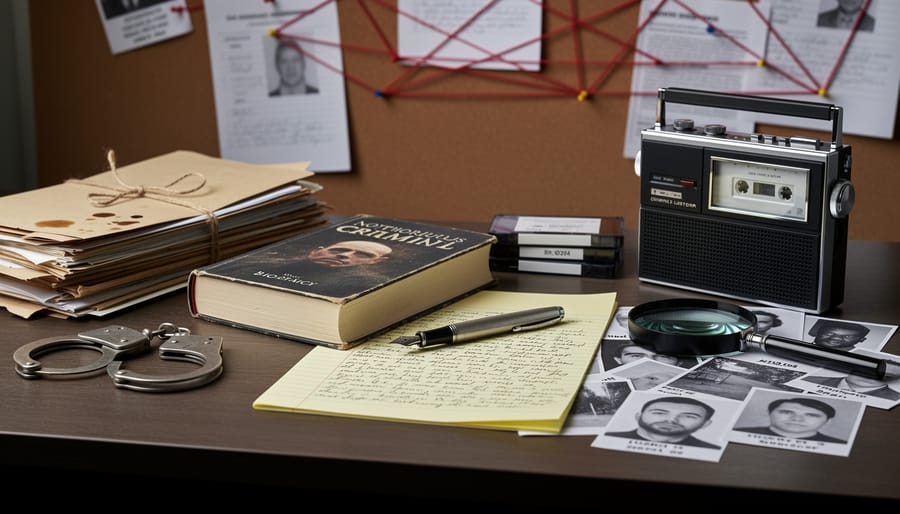
The most chilling audiobooks aren’t always fiction. Criminal biographies deliver psychological intensity that rivals any thriller, especially when a skilled narrator channels the darkness of real cases into your headphones.
When Ann Rule recounts her friendship with Ted Bundy in The Stranger Beside Me, the audio edition transforms her written shock into visceral unease. Rule worked alongside Bundy at a crisis hotline, completely unaware of his double life, and hearing her story narrated brings an eerie intimacy to that proximity. The best criminal biographies work this way in audio, they create a closeness to disturbing truths that printed words can’t quite match.
For Canadian listeners, few cases hit closer to home than Paul Bernardo and Karla Homolka. Stephen Williams’ Invisible Darkness remains the definitive account of their crimes, and the audiobook format amplifies the horror of how an outwardly normal couple committed such atrocities. The narration paces the revelations carefully, letting you process the psychology behind the headlines that gripped the country in the early 1990s. It’s a difficult listen, but essential for understanding how these dynamic duos of evil operate in reality, not just in crime fiction.
Several criminal biographies stand out in audio format for their combination of meticulous research and compelling narration:
- Helter Skelter by Vincent Bugliosi, prosecutor’s account of Charles Manson’s crimes, with narration that captures the chaotic manipulation tactics Manson employed
- Mindhunter by John Douglas, FBI profiler’s insights into interviewing serial killers, where the audio brings his direct encounters with Ed Kemper and others to life
- The Devil in the White City by Erik Larson, H.H. Holmes’ murder castle during the 1893 World’s Fair, narrated with atmospheric period detail that builds dread
- I’ll Be Gone in the Dark by Michelle McNamara, obsessive pursuit of the Golden State Killer, posthumously completed and narrated with haunting dedication
- In Cold Blood by Truman Capote, the genre-defining account of the Clutter family murders, where audio performance highlights Capote’s literary craft
What makes these biographies work as audiobooks isn’t just the subject matter. Narrators who understand pacing can turn courtroom testimony into edge-of-your-seat tension. They know when to pull back, letting facts speak for themselves, and when to lean into the psychological unraveling of a killer’s mind. The pauses matter as much as the words.
These aren’t sensationalized retellings. The strongest criminal biographies examine motivation, childhood trauma, societal failures, and the investigative processes that eventually brought justice. In audio, that analysis becomes a conversation between the author’s research and your own attempt to comprehend what drives someone toward monstrous acts. You’re not just reading about evil, you’re sitting with it, questioning it, trying to understand the incomprehensible.
The Detectives and Investigators Who Caught Them
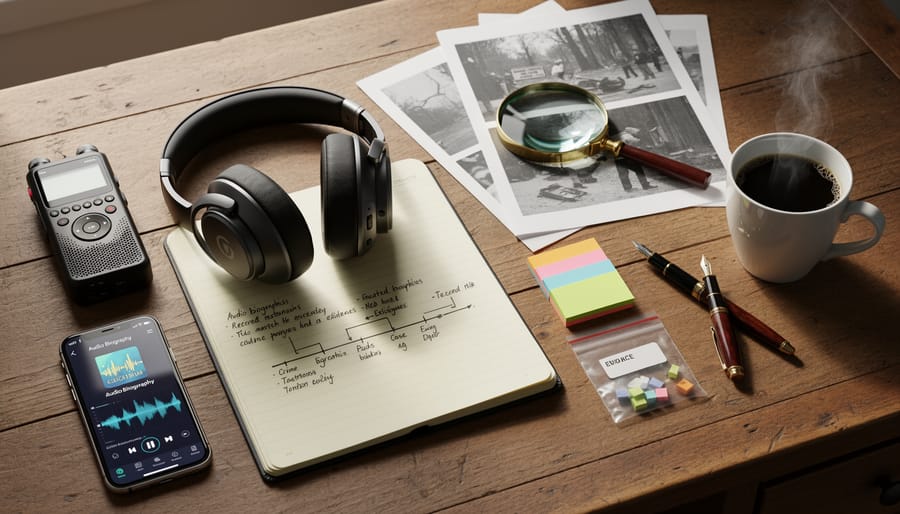
While we devour fiction about brilliant sleuths and hardboiled detective work, the real investigators who cracked impossible cases offer something fiction can’t match: the messy, frustrating, breakthrough-filled truth of actual police work.
John Douglas’s Mindhunter stands as essential listening for anyone curious about criminal profiling. Douglas pioneered FBI serial crime work interviewing killers to understand their psychology, and his audiobook, narrated by Jonathan Groff, pulls you into interrogation rooms where he sat across from Ed Kemper, Richard Specht, and Charles Manson. You hear how profiling evolved from educated guesses into systematic behavioral science. Douglas doesn’t romanticize the work; he admits the toll it took, the wrong turns investigators made, and the cases that still haunt him.
For Canadian true crime fans, Christine Harron’s The Devil’s Cinema follows Ontario Provincial Police Detective Sergeant Ron Riddle through decades of homicide investigations, including the Christine Jessop case that gripped the country. The audiobook format brings Riddle’s methodical approach to life, how patient detective work, not Hollywood-style eureka moments, solves real murders.
Robert Ressler’s Whoever Fights Monsters offers another FBI perspective, this one from the investigator who coined the term “serial killer.” His memoir covers cases from Jeffrey Dahmer to John Wayne Gacy, explaining how investigators learned to think like predators without becoming them. The audiobook narrator captures Ressler’s analytical detachment and sudden flashes of dark humor, coping mechanisms forged by exposure to humanity’s worst.
Forensic pathologist Michael Baden’s Unnatural Death takes you inside autopsies that cracked famous cases. Baden testifies to what bodies reveal when investigators know how to listen, from John Belushi’s overdose to investigations involving O.J. Simpson. His clinical precision translates surprisingly well to audio, where you focus on his reasoning rather than graphic photographs.
These books complement the fictional Canadian detective series we love by showing what real investigation demands: patience, intuition shaped by experience, and willingness to stare into darkness without flinching. The narrators ground these memoirs in authenticity, delivering technical details and emotional weight with equal skill.
Crime Writers’ Lives: The Authors Behind Your Favorite Mysteries
Understanding the life behind the legend can transform how you experience their novels. When you hear about Agatha Christie’s mysterious eleven-day disappearance in 1926, her psychological thrillers take on new depth. When you learn about Raymond Chandler’s struggles with alcoholism and loneliness while writing Philip Marlowe’s cynical wisdom, the world-weary detective feels less like fiction and more like a mirror.
Biography audiobooks about crime writers do exactly this, they pull back the curtain to reveal the experiences, obsessions, and real cases that shaped your favorite mysteries. An Autobiography by Agatha Christie, narrated by Judith Boyd, lets you hear the Queen of Crime discuss her writing process in her own words, including how her pharmacy training informed her famous poison plots. Laura Thompson’s Agatha Christie: A Mysterious Life goes deeper, exploring the darkness beneath the cozy surface.
For hard-boiled enthusiasts, Tom Williams’ Raymond Chandler: A Biography reveals how Chandler’s years working in Los Angeles oil fields gave him the gritty authenticity that defined noir fiction. The audiobook makes clear how real corruption he witnessed became the backbone of The Big Sleep and Farewell, My Lovely.
Female crime writers deserve particular attention here, Dorothy L. Sayers worked in advertising before creating Lord Peter Wimsey, and biographies show how that career sharpened her eye for human manipulation. P.D. James spent decades in government criminal justice departments before publishing her first Adam Dalgliesh mystery at age 42; her biography explains the bureaucratic realities that make her police procedurals so authentic.
Canadian connections matter too. Arthur Ellis, the pen name honoring Canada’s official hangman, represents a darker tradition in our mystery writing. Learning about Louise Penny’s journalism career and personal losses adds weight to Three Pines’ healing power in her Inspector Gamache series.
These biographies consistently reveal a truth: the best crime writers didn’t just imagine darkness, they encountered it, studied it, or survived it. Listening to their life stories in audio adds another layer of intimacy, turning the authors themselves into characters as complex as any they created.
Victims and Survivors: The Stories That Demand to Be Heard
These are the hardest stories to listen to, and perhaps the most important. Victim and survivor narratives flip the typical true crime lens, instead of dissecting criminal psychology or celebrating investigative brilliance, they center the people forever changed by violence. In audio format, these biographies carry extraordinary weight. You hear pain, resilience, and anger in the narrator’s voice, making the human cost of crime impossible to ignore or reduce to a plot point.
I’ll Be Gone in the Dark by Michelle McNamara stands out not just as an investigation into the Golden State Killer, but as a narrative shaped by McNamara’s obsession and the toll it took. The audiobook includes passages read by Patton Oswalt, McNamara’s widower, adding layers of loss to an already haunting story. The Stranger Beside Me by Ann Rule offers a survivor’s perspective from a different angle, Rule worked alongside Ted Bundy at a crisis hotline, her memoir capturing the betrayal of discovering a friend’s monstrous double life.
Canadian listeners should seek out memoirs from families affected by high-profile cases, though these can be harder to find in major catalogs. No One Can Hurt Him Anymore (the Darlene Ellison story) and similar titles give voice to those fighting for justice after devastating loss. A Serial Killer’s Daughter by Kerri Rawson recounts growing up as BTK’s child, navigating the wreckage of learning your father is a murderer.
What makes these audiobooks essential is their refusal to sensationalize. The best ones don’t traffic in voyeurism, they demand you sit with discomfort, acknowledge suffering, and recognize that behind every crime statistic is a person whose story deserves more than a footnote. The audio format amplifies that intimacy. You’re not reading about trauma; you’re hearing someone speak their truth directly to you.
Why Audio Brings These True Stories to Life
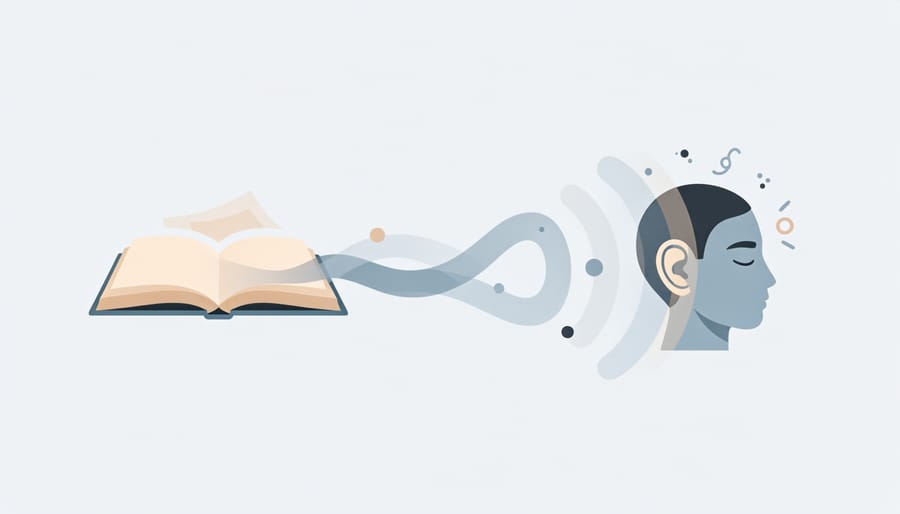
There’s something uniquely visceral about listening to a true crime biography rather than reading it. When a skilled narrator recounts Ted Bundy’s manipulations or describes the forensic breakthrough that cracked a cold case, the human voice adds weight that print can’t match. You’re not just absorbing facts, you’re experiencing the story through a performance that channels fear, determination, or grief in real time.
Narrator selection makes or breaks these audiobooks. Robert Petkoff’s measured delivery in FBI profiler biographies conveys institutional authority while building dread through pacing alone. When Tavia Gilbert narrates accounts of survivors, her ability to shift between vulnerability and strength honours the emotional complexity of trauma without sensationalizing it. The best true crime narrators understand that silence matters as much as words, a pause before revealing a killer’s identity or the discovery of evidence creates tension that rushes past on the page.
The intimacy of audio transforms how we process disturbing material. Hearing a detective describe finding a victim’s belongings or a forensic pathologist explain autopsy findings through your earbuds creates an almost uncomfortable closeness to the reality of violent crime. That proximity serves a purpose: it prevents us from treating these stories as entertainment divorced from human suffering. A narrator’s slight catch in their voice when reading a victim’s final words reminds you this actually happened.
Listen for narrators who vary their pace strategically. The best crime biography performances slow down during crucial procedural details, the specific technique that caught a killer, the breakthrough interview question, then accelerate through chase sequences or courtroom drama. That rhythm mirrors how investigators actually work: methodical analysis punctuated by urgent action. When you find a narrator who understands this balance, the biography becomes as gripping as any thriller while honouring the truth it represents.
Where to Find Crime Biography Audiobooks in Canada
Finding crime biography audiobooks in Canada is straightforward once you know where to look. Three platforms dominate the landscape, each offering different advantages depending on how you prefer to build your collection.
| Platform | Pricing Model | Best For |
|---|---|---|
| Audible | $8.99-$229.50 subscription tiers | Heavy listeners who want credits and member discounts |
| Apple Books | À la carte purchase | Apple device users who prefer owning titles outright |
| Kobo | À la carte purchase | Canadian readers already using Kobo for eBooks |
Audible’s subscription plans work well if you listen regularly, the credits system lets you grab those lengthy criminal profiles and investigator memoirs without paying full price each time. Available across iOS, Android, Windows, Fire OS, and web browsers, it’s the most versatile option for device compatibility.
Apple Books fits perfectly into the Apple ecosystem. Since it’s built into your iPhone or iPad, there’s no separate app to manage. You buy what you want when you want it, which works if you’re selective about titles rather than building a massive library.
Kobo recently expanded its audiobook catalog to Canada, giving existing Kobo users a natural place to add audio titles alongside their eBooks. The iOS app now includes audiobooks in Canada, the U.S., and the U.K., making it convenient if you already track your reading there.
For discovering crime biographies specifically, search terms like “true crime memoir,” “criminal profile,” or combine an infamous case name with “biography” in any platform’s search bar. Following curated true crime lists and checking “customers also bought” suggestions will lead you to titles that match the intensity and storytelling you’re after.
Biography audiobooks give you something fiction can’t quite replicate: the weight of knowing it all really happened. The criminal profiler who walked into a killer’s mind, the investigator who cracked an impossible case, the survivor who refused to stay silent, these aren’t invented heroes or convenient plot twists. They’re real people whose stories carry the messy complexity and psychological depth that no thriller can fully manufacture.
Whether you’re drawn to the chilling psychology of notorious criminals, the methodical brilliance of the detectives who caught them, the creative lives of crime writers shaped by real cases, or the powerful voices of those impacted by violence, these audiobooks deliver something uniquely gripping. The narrators don’t just tell these stories, they embody them, pacing tension and revealing character through voice in ways that make the truth feel immediate and alive.
Start with one recommendation that speaks to your curiosity. You might find that reality, when told this well, rivals anything on your fiction shelf.